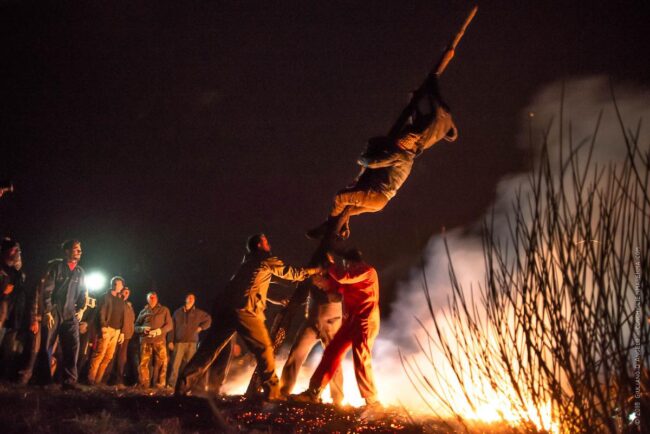
Rito dello Stollo e della Focarazza
Il “rito dello stollo e della focarazza” è un’antica festa che si tiene ogni 24 novembre a Santa Caterina, nel comune di Roccalbegna, per celebrare Santa Caterina d’Alessandria. Il rito,…


Il “rito dello stollo e della focarazza” è un’antica festa che si tiene ogni 24 novembre a Santa Caterina, nel comune di Roccalbegna, per celebrare Santa Caterina d’Alessandria. Il rito,…

Sarà un’escursione alla scoperta degli alberi monumentali e delle orchidee. È in programma sabato 16 aprile, in località Roccalbegna, un’escursione alla scoperta di uno dei luoghi più affascianti dell’Amiata: la…

Da venerdì 6 agosto a domenica 8 agosto, a Roccalbegna si tiene il quarto Fine settimana medievale sotto l´egida di Dante Alighieri per il Settecentesimo centenario dalla sua morte. L´iniziativa,…

Le spine saranno aperte dalle 17. Obbligatoria la prenotazione entro e non oltre il 12 Luglio al numero (+39) 377 4047423 (CLARA), sarà necessario lasciare il recapito telefonico per ottimizzare…

Si tratta della festa di paese che lega il sacro al profano. Si fonda su un’antica leggenda “La Madonna del Pero”, ha il pregio di coniugare la tradizione contadina alla…
Si tratta di una tradizionale festa che coinvolge tutto il piccolo borgo di Santa Caterina, nel territorio di Roccalbegna. Si svolge nel periodo estivo e rappresenta per la comunità locale…
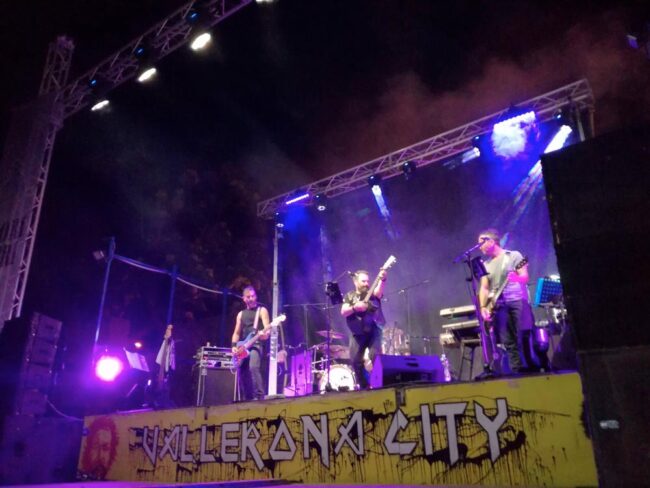
Si tratta di un appuntamento imperdibile. La sagra della trippa valleronese è una tipica festa paesana con stand gastronomici e musica dal vivo. Oltre a la “trippa valleronese” sono disponibili…
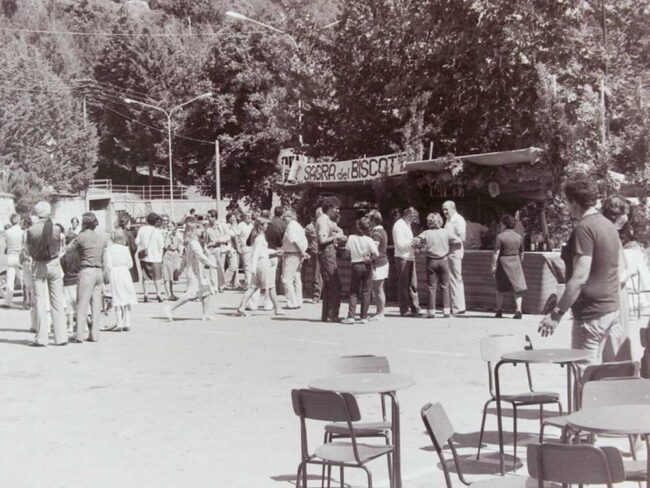
La Sagra del biscotto salato di Roccalbegna celebra il tipico prodotto che viene prodotto in questo territorio. Le origini del biscotto salato sono lontane e la sua forma è caratteristica. Si presenta intrecciato ad…
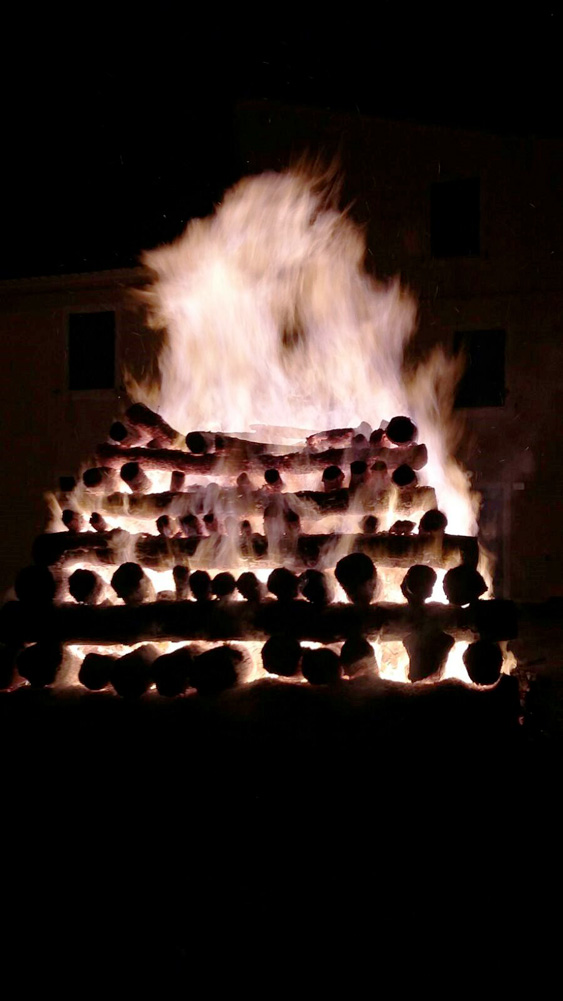
L’attesa di babbo Natale si fa ancora più magica grazie alla Focarazza che viene accesa la notte del 24 dicembre. A Roccalbegna la tradizione della Focarazza, qui gli uomini del…

L’arrivo dell’Epifania regala a Roccalbegna una bella dose di carica emotiva così da salutare le feste con il rito dell’accensione della Focarazza d’epifania. I festeggiamenti in attesa dell’arrivo della Befana,…
Thatsamiata Dichiarazione di accessibilità
We firmly believe that the internet should be available and accessible to anyone, and are committed to providing a website that is accessible to the widest possible audience, regardless of circumstance and ability.
To fulfill this, we aim to adhere as strictly as possible to the World Wide Web Consortium’s (W3C) Web Content Accessibility Guidelines 2.1 (WCAG 2.1) at the AA level. These guidelines explain how to make web content accessible to people with a wide array of disabilities. Complying with those guidelines helps us ensure that the website is accessible to all people: blind people, people with motor impairments, visual impairment, cognitive disabilities, and more.
This website utilizes various technologies that are meant to make it as accessible as possible at all times. We utilize an accessibility interface that allows persons with specific disabilities to adjust the website’s UI (user interface) and design it to their personal needs.
Additionally, the website utilizes an AI-based application that runs in the background and optimizes its accessibility level constantly. This application remediates the website’s HTML, adapts Its functionality and behavior for screen-readers used by the blind users, and for keyboard functions used by individuals with motor impairments.
If you’ve found a malfunction or have ideas for improvement, we’ll be happy to hear from you. You can reach out to the website’s operators by using the following email
Our website implements the ARIA attributes (Accessible Rich Internet Applications) technique, alongside various different behavioral changes, to ensure blind users visiting with screen-readers are able to read, comprehend, and enjoy the website’s functions. As soon as a user with a screen-reader enters your site, they immediately receive a prompt to enter the Screen-Reader Profile so they can browse and operate your site effectively. Here’s how our website covers some of the most important screen-reader requirements, alongside console screenshots of code examples:
Screen-reader optimization: we run a background process that learns the website’s components from top to bottom, to ensure ongoing compliance even when updating the website. In this process, we provide screen-readers with meaningful data using the ARIA set of attributes. For example, we provide accurate form labels; descriptions for actionable icons (social media icons, search icons, cart icons, etc.); validation guidance for form inputs; element roles such as buttons, menus, modal dialogues (popups), and others. Additionally, the background process scans all the website’s images and provides an accurate and meaningful image-object-recognition-based description as an ALT (alternate text) tag for images that are not described. It will also extract texts that are embedded within the image, using an OCR (optical character recognition) technology. To turn on screen-reader adjustments at any time, users need only to press the Alt+1 keyboard combination. Screen-reader users also get automatic announcements to turn the Screen-reader mode on as soon as they enter the website.
These adjustments are compatible with all popular screen readers, including JAWS and NVDA.
Keyboard navigation optimization: The background process also adjusts the website’s HTML, and adds various behaviors using JavaScript code to make the website operable by the keyboard. This includes the ability to navigate the website using the Tab and Shift+Tab keys, operate dropdowns with the arrow keys, close them with Esc, trigger buttons and links using the Enter key, navigate between radio and checkbox elements using the arrow keys, and fill them in with the Spacebar or Enter key.Additionally, keyboard users will find quick-navigation and content-skip menus, available at any time by clicking Alt+1, or as the first elements of the site while navigating with the keyboard. The background process also handles triggered popups by moving the keyboard focus towards them as soon as they appear, and not allow the focus drift outside it.
Users can also use shortcuts such as “M” (menus), “H” (headings), “F” (forms), “B” (buttons), and “G” (graphics) to jump to specific elements.
We aim to support the widest array of browsers and assistive technologies as possible, so our users can choose the best fitting tools for them, with as few limitations as possible. Therefore, we have worked very hard to be able to support all major systems that comprise over 95% of the user market share including Google Chrome, Mozilla Firefox, Apple Safari, Opera and Microsoft Edge, JAWS and NVDA (screen readers).
Despite our very best efforts to allow anybody to adjust the website to their needs. There may still be pages or sections that are not fully accessible, are in the process of becoming accessible, or are lacking an adequate technological solution to make them accessible. Still, we are continually improving our accessibility, adding, updating and improving its options and features, and developing and adopting new technologies. All this is meant to reach the optimal level of accessibility, following technological advancements. For any assistance, please reach out to